Who Owns Your Supermarket? The True Canadian Grocery Ownership Breakdown
A comprehensive investigation into Canadian grocery retail: Loblaw Companies, Empire (Sobeys), Metro, and foreign giants like Walmart and Costco. Discover who really profits from your weekly grocery bill.
Founder & Software Architect
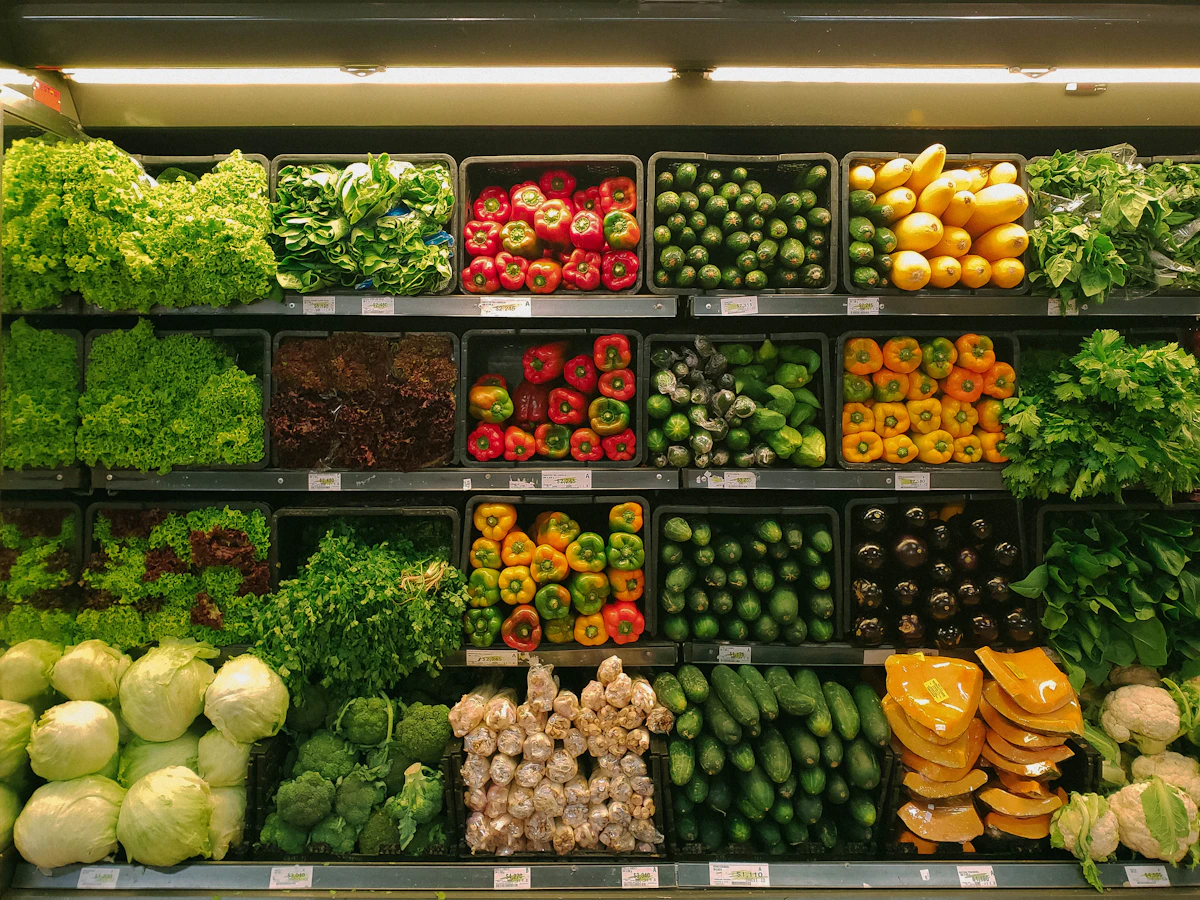
Every week, Canadian households spend hundreds of dollars on dairy, bread, fresh produce, and household essentials. Yet behind the varied banners lining city streets—No Frills, FreshCo, Food Basics, Real Canadian Superstore, Fortinos, and Farm Boy—lies one of the most concentrated grocery markets in the developed world. Over 75% of Canadian grocery retail is controlled by just three domestic corporate giants and two multinational corporations.
Following high-profile inquiries by the Competition Bureau of Canada and parliamentary hearings on supermarket pricing, Canadian consumers are asking fundamental questions: Who actually owns each grocery chain? Where do corporate profits flow? And how can consumers support independent domestic food processors and local agricultural producers?
The Canadian Grocery Landscape: Oligopoly by the Numbers
According to Competition Bureau retail market studies, Canada's food distribution network is characterized by extreme concentration. While European markets often feature ten or more competing supermarket chains, Canada's vast geography and supply-chain logistics have historically facilitated massive corporate consolidation.
The "Big Three" domestic grocery operators—Loblaw Companies Limited, Empire Company Limited, and Metro Inc.—operate alongside two major foreign players: Walmart Canada (USA) and Costco Wholesale (USA). Together, these five players dictate shelf placement, wholesale purchasing contracts, and retail pricing across all ten provinces.
Loblaw Companies Limited: The George Weston Empire
Headquartered in Brampton, Ontario, Loblaw Companies Limited is Canada's largest food and pharmacy retailer, operating more than 2,400 retail locations nationwide. Loblaw is majority-owned by George Weston Limited, a publicly traded Canadian holding company controlled by the prominent Weston family.
Loblaw operates multiple tiered banners targeting different consumer demographics:
- Discount Banners: No Frills, Maxi (Quebec), Real Canadian Superstore, Wholesale Club.
- Conventional & Premium Banners: Loblaws, Zehrs, Provigo (Quebec), Fortinos, Your Independent Grocer (YIG), Atlantic Superstore, Dominion (Newfoundland), and T&T Supermarket.
- Pharmacy & Health: Shoppers Drug Mart and Pharmaprix.
Empire Company Limited: The Sobeys & Safeway Network
Headquartered in Stellarton, Nova Scotia, Empire Company Limited is Canada's second-largest food retailer. Tracing its roots back to J.W. Sobey founding a meat delivery business in 1907, Empire is controlled by the Sobey family through voting share structures.
Empire expanded dramatically through strategic acquisitions, including Canada Safeway in 2013 and Ontario specialty grocer Farm Boy in 2018. Empire's retail banners include:
- Conventional Supermarkets: Sobeys, Safeway (Western Canada), and Thrifty Foods (British Columbia).
- Discount Banners: FreshCo and Chalo! FreshCo (Ontario and Western Canada).
- Specialty & Regional: Farm Boy (Ontario), IGA (Quebec, franchised), Foodland (Atlantic Canada and Ontario), and Pete's Frootique.
- Digital / Online: Voilà delivery platform.
Metro Inc.: Quebec and Ontario's Regional Champion
Headquartered in Montreal, Quebec, Metro Inc. is Canada's third domestic grocery giant. Unlike Loblaw and Empire, which operate from coast to coast, Metro focuses exclusively on Quebec and Ontario, where it holds commanding market share.
Founded in 1947 by independent grocers in Quebec, Metro operates a tightly managed portfolio:
- Conventional Banners: Metro and Metro Plus.
- Discount Banners: Food Basics (Ontario) and Super C (Quebec).
- Pharmacy Networks: Jean Coutu and Brunet (dominant in Quebec).
- Specialty: Première Moisson artisanal bakeries.
The Foreign Giants: Walmart Canada & Costco Wholesale
While the Big Three are Canadian-headquartered corporations whose dividends and corporate taxes primarily reside in Canada, millions of Canadians shop at American retail giants:
- Costco Wholesale Canada: Headquartered in Ottawa, Ontario, but operating as a subsidiary of Costco Wholesale Corporation (Issaquah, Washington, USA). Costco is celebrated for competitive prices on bulk staples and ethical compensation for frontline workers, but parent company profits return to US institutional shareholders.
- Walmart Canada: Headquartered in Mississauga, Ontario, operating over 400 stores as a wholly owned subsidiary of Walmart Inc. (Bentonville, Arkansas, USA).
Decoding Store Brands: PC, Compliments, Selection, and Great Value
Store private labels generate substantial profit margins for grocers. Understanding who makes them helps you support domestic packaging and farming:
- President's Choice & No Name (Loblaw): Formulated and managed in Brampton, ON. Staple goods (oats, milk, butter, flour, eggs, and bacon) are sourced from Canadian dairy and agricultural producers; exotic and packaged items are imported.
- Compliments & Panache (Empire): Managed by Empire's private label division, with domestic contracts for staple dry goods and frozen vegetables.
- Selection & Irresistibles (Metro): Metro's proprietary brands, frequently partnering with Quebec and Ontario food processors.
- Great Value & Equate (Walmart): US-directed global sourcing with regional co-packers for fluid milk and bread.
Independent Canadian Grocers and Direct Farm Cooperatives
Consumers seeking to bypass supermarket conglomerates have high-impact alternatives:
- Direct Farmers' Markets: Visiting registered provincial farmers' markets guarantees 100% direct-to-grower compensation.
- Community Supported Agriculture (CSA): Weekly subscription boxes from multi-generational family farms in Ontario, Quebec, BC, and the Prairies.
- Independent Online Grocers: Canadian platforms like Natura Market (Toronto, ON) offer transparent domestic supply-chain pantry staples with fast shipping.
- Consumer Co-ops: Co-op food stores across Saskatchewan, Manitoba, and Alberta operate under the Federated Co-operatives Limited (FCL) banner, returning profits directly to local community members.
5 Actionable Rules for Keeping Food Dollars in Canada
- Look for the Maple Leaf Inspection Shield: Federal CFIA inspection stamps on dairy, meat, and poultry confirm domestic processing.
- Prioritize Seasonally Local Produce: Buy Ontario greenhouse tomatoes, Quebec root vegetables, and BC stone fruits in season.
- Shop Independent When Feasible: Support local ethnic grocers, family-owned butchers, and independent bakeries.
- Scrutinize Private Label Origins: Check the "Product of Canada" designation on store brands.
- Join a Local Food Co-op: Community-owned grocers reinvest surplus capital into local domestic infrastructure.
Frequently Asked Questions
- Is No Frills Canadian owned?
- Yes. No Frills is a discount banner operated by Loblaw Companies Limited, which is Canadian-owned and controlled by George Weston Limited.
- Who owns Sobeys?
- Sobeys is owned by Empire Company Limited, a Canadian-headquartered public corporation based in Stellarton, Nova Scotia, controlled by the Sobey family.
- Is Costco Canadian?
- No. Costco Wholesale Canada is a wholly owned subsidiary of Costco Wholesale Corporation, based in Issaquah, Washington, USA.
Written by Asif Khan
Founder & Software Architect • Strayas Own
Asif is the creator and software architect behind Strayas Own. Passionate about local manufacturing preservation, transparent corporate ownership, and consumer empowerment, he writes deeply researched buying guides to help Canadians make informed domestic purchasing decisions.
Learn more about our mission →